


 Heskon B2B Revisie

Why battery legislation is becoming increasingly important in Europe
For organisations that sell or service products containing lithium-ion batteries, regulatory responsibilities are changing across Europe. Several new requirements already apply, while others will be introduced in phases over the coming years.
Batteries are playing an increasingly important role in Europe’s energy transition, electric mobility and the shift towards a circular economy. As part of the European Green Deal, the EU aims to make battery value chains safer, more sustainable and more traceable.
New rules on battery design, repairability, collection and reuse are therefore being introduced in phases. For businesses, it is important to determine which requirements apply to them and which processes need to be put in place to meet these requirements.
Heskon helps businesses prepare their after-sales and service processes for new European battery legislation in a practical and timely manner.
Who is battery legislation relevant to?
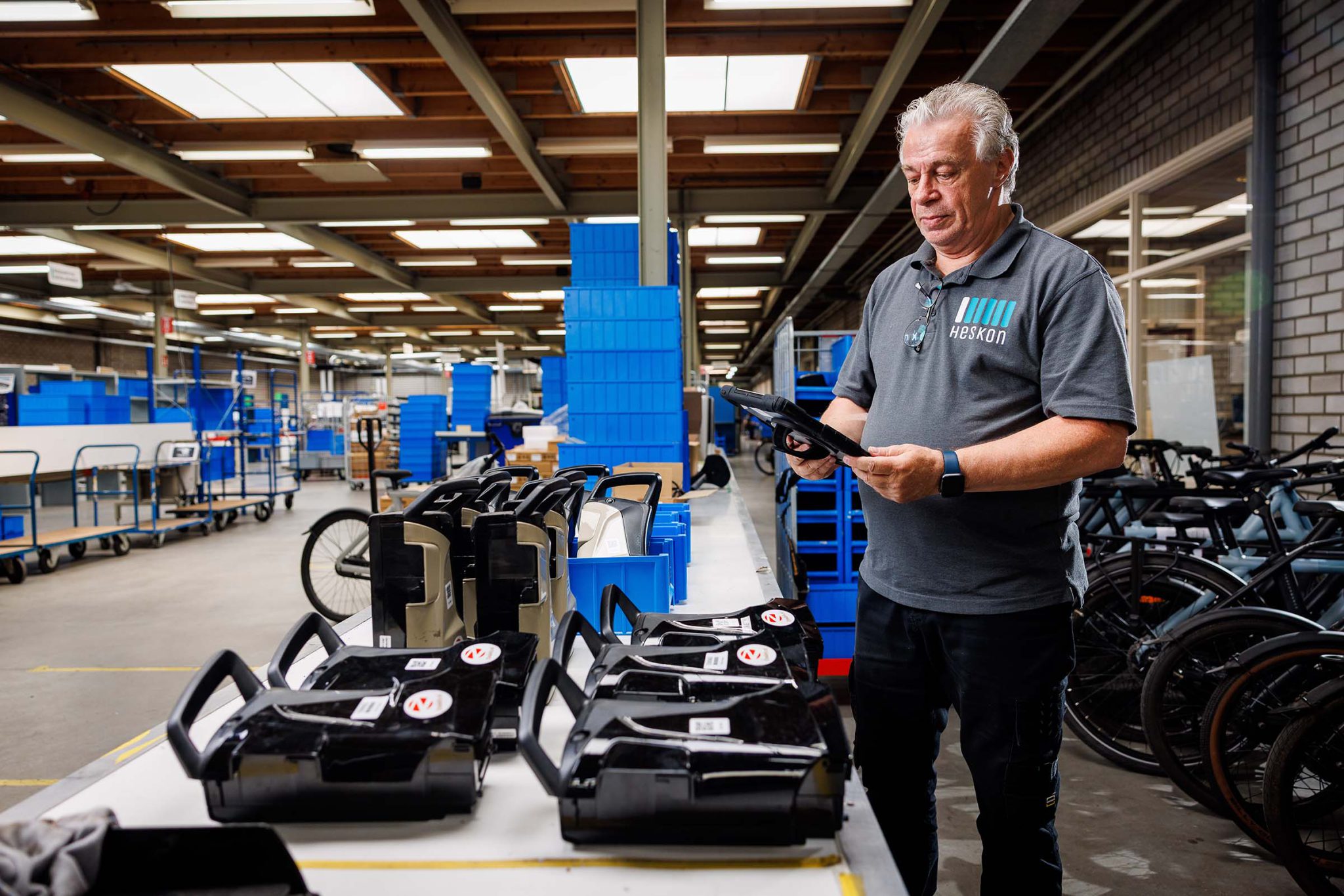
Battery legislation affects businesses across the entire battery value chain, from companies placing batteries or battery-powered products on the EU market to those involved in servicing, repair, transport and processing. The requirements that apply depend on a company’s role in the value chain and the type of battery involved.
Key topics
The new EU Battery Regulation changes how businesses place batteries on the market, manage them and track them throughout their lifecycle. This requires timely preparation for new requirements relating to repairability, battery data, return flows and responsibilities after placing a battery on the market.
The battery passport will make key information about a battery available throughout its lifecycle. Depending on the battery category, this includes data on its origin, specifications, performance, maintenance, repair and reuse. Businesses will need to ensure that this information is properly recorded, kept up to date and made accessible.
Which battery regulations will become important in 2026 and 2027?
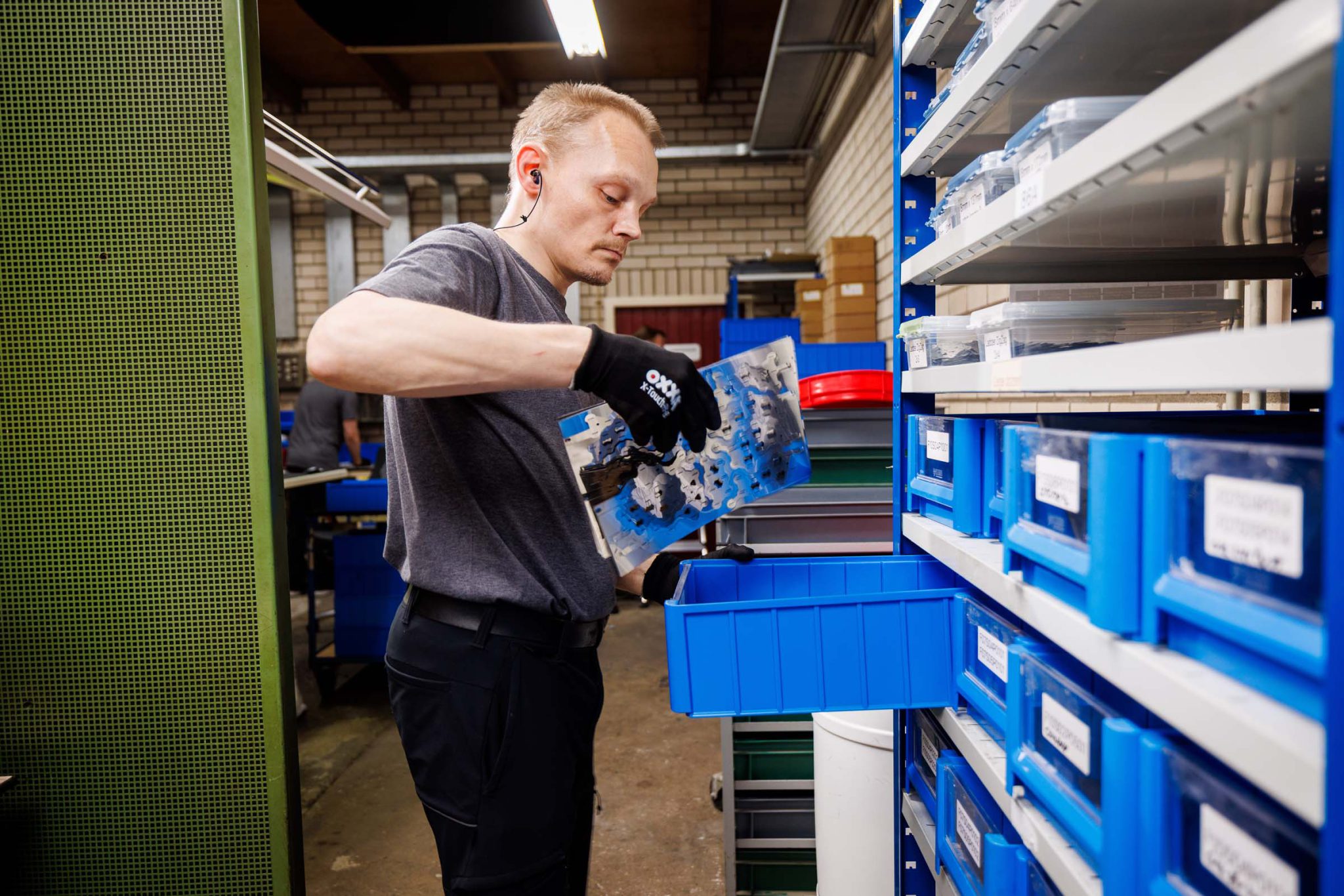
Battery legislation and European battery law is increasingly shaping how lithium-ion batteries are managed throughout their lifecycle, including maintenance, repair, reuse and end-of-life management.
Several new requirements will take effect between now and 2027, making it increasingly important for organisations to prepare their service and aftersales processes.
EU Battery Regulation 2023/1542
(2024–2027, phased introduction)
The EU Battery Regulation introduces stricter requirements for the repairability and traceability of batteries. For LMT batteries, used in e-bikes and other light electric vehicles, the new requirements place greater emphasis on replaceability, access for repair and battery information. Businesses will also need to keep better records of a battery’s origin and what happens to it throughout its service life.
Battery Passport
(from 2027)
For certain battery categories, key battery data will need to be digitally accessible through a battery passport. This includes information on raw materials, carbon footprint, performance and service history.
EU Right to Repair 2024/1799
(from 2026)
New EU rules are designed to make repair a more practical alternative to replacement. For products covered by the legislation, this means greater access to repair services, spare parts and technical information, helping to extend product lifetimes and reduce unnecessary replacement.
Extended Producer Responsibility (EPR)
(from 2025, phased introduction)
Under EPR, companies that qualify as battery producers remain responsible for certain obligations after their batteries are placed on the market. These can include collection, take-back, treatment, recycling and reporting at the end of the battery’s life.
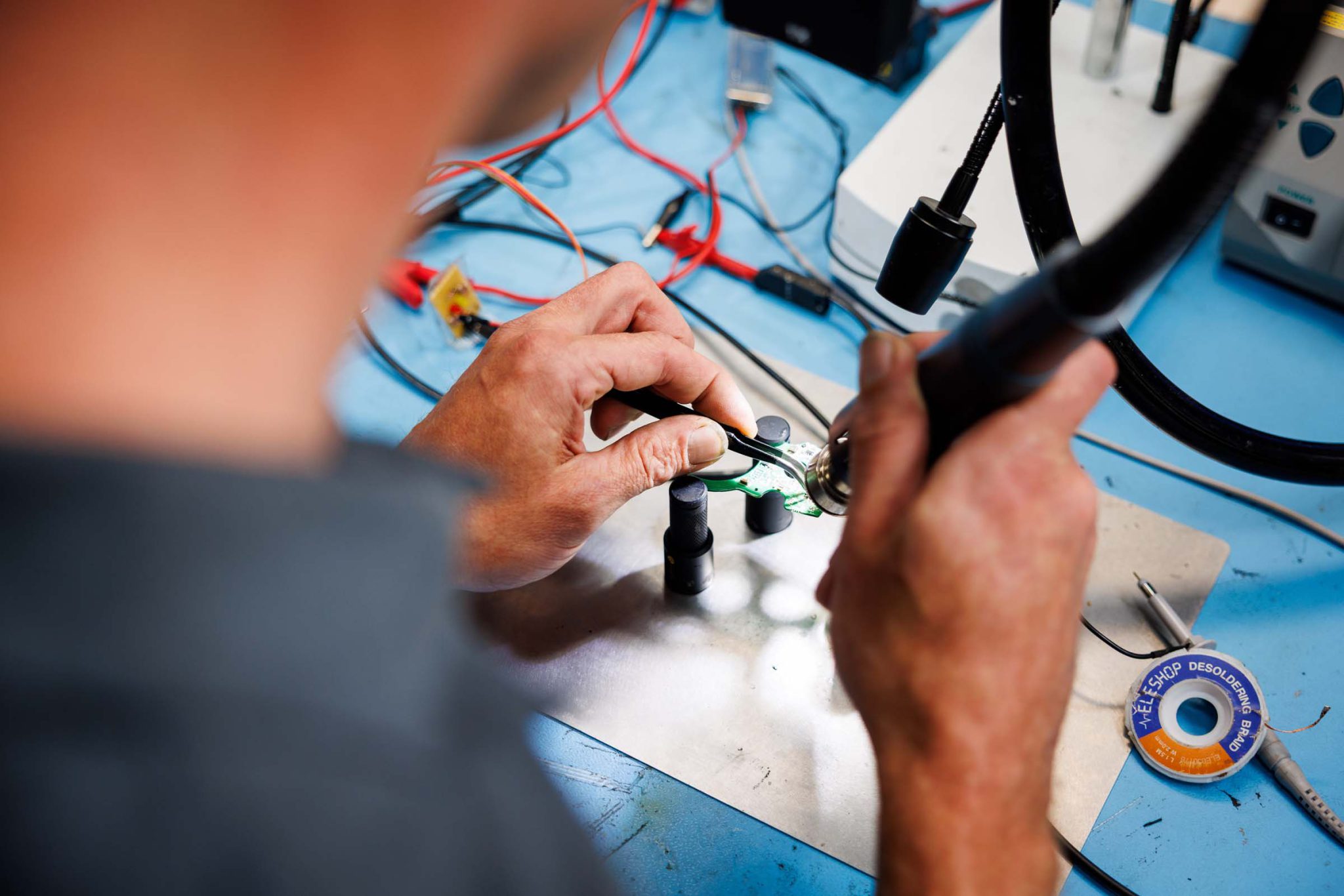
Changes in European battery law affect more than product information alone. They can also change how companies organise their aftersales activities. The overview below shows the shift from a model focused mainly on sales and warranty towards a more structured approach to service, documentation and battery returns.
Before the new EU battery rules
| Design: Repairability was often given limited consideration during product design, and batteries were not always designed for easy access or repair. |
| Diagnostics: When a battery failed, there was often limited assessment of whether repair was technically or economically viable. |
| Repair: Repairs were often handled on an ad hoc basis, with a strong dependency on the original manufacturer, which was frequently located outside Europe. |
| Documentation: Manufacturing and service history was often not recorded or maintained in a central system. |
| Battery returns: Returned batteries were often handled like standard product returns, with limited differentiation in logistics, storage and risk assessment. |
| Post-sale responsibility: The focus was primarily on sales and warranty, with less attention paid to collection, traceability and end-of-life management. |
Under the new EU battery rules
| Design: Battery design increasingly needs to support diagnostics, repair and aftersales service. |
| Diagnostics: A structured diagnostic process helps determine whether a battery should be repaired, remanufactured, replaced, reused or sent for end-of-life treatment. |
| Repair: Greater emphasis is being placed on access to spare parts, technical information and effective repair processes. |
| Documentation: As battery passport and repair requirements are phased in, structured recording of battery data and service history is becoming increasingly important. |
| Battery returns: Returned batteries require dedicated procedures for intake, assessment and safe storage. |
| Post-sale responsibility: Depending on their role, companies may have responsibilities throughout the battery lifecycle, including collection, traceability and end-of-life management. |

Heskon as a European battery service partner
New requirements often call for processes that cannot be implemented overnight. Heskon helps companies prepare in time by turning European battery legislation into practical aftersales and service processes.
For organisations that do not specialise in batteries but still need to comply with the new requirements, Heskon combines operational support with technical expertise and practical advice.
Heskon offers a European service infrastructure designed to fit seamlessly into existing aftersales, warranty and quality processes, including:
- A custom-built ERP system designed specifically for battery service and aftersales processes, with the option to link this information to your battery passport.
- B2B infrastructure for battery returns, supporting both bulk returns and individual service orders for dealer networks.
- An internal digital knowledge base with product-specific work instructions and technical documentation.
- An in-house R&D and quality department helping to ensure consistent quality in line with the requirements of the EU Battery Regulation 2023/1542.
- More than 10 years of hands-on experience with the logistical and operational challenges of servicing lithium-ion batteries.
Schedule a free consultation (15 min.)
Complete the form below and one of our experts will get in touch to arrange a no-obligation consultation.
"*" indicates required fields